
The Thrill of Risk in Gambling
High-stakes casino decisions often evoke a unique blend of excitement and anxiety. This psychological duality is what draws many players to the gaming tables, where the potential for substantial rewards coexists with the probability of significant losses. The adrenaline rush experienced during high-stakes play can lead to a heightened state of arousal, which may cloud judgment and impact decision-making. Many players seek out online experiences where they can enjoy themselves, including no kyc casinos that prioritize user convenience. Players are often drawn to this thrill, despite being aware of the risks involved.
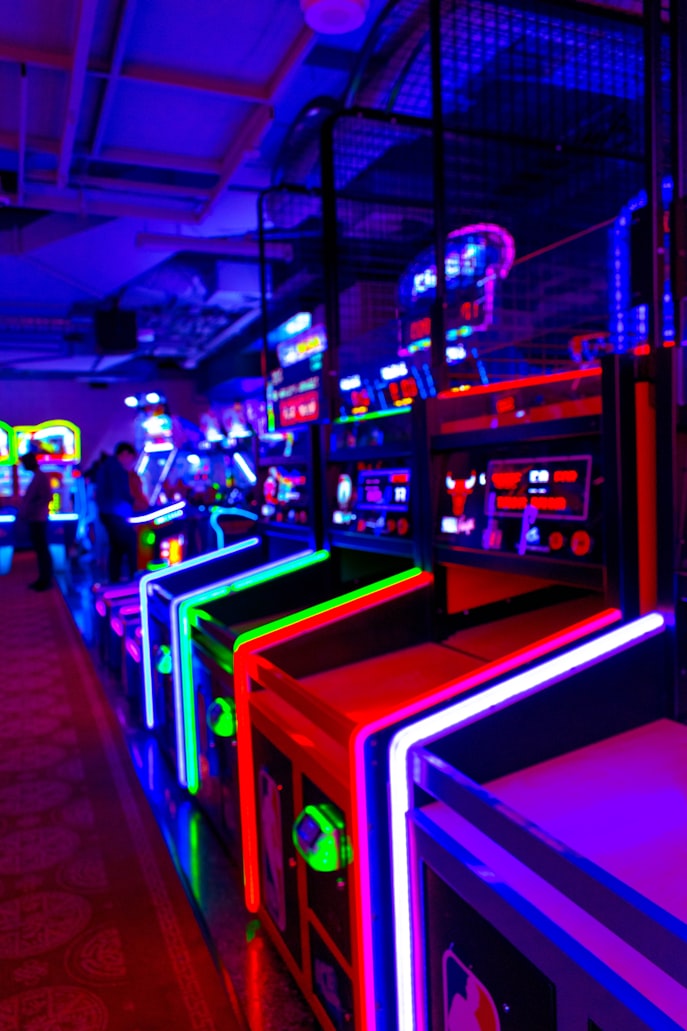
This thrill is intensified by the casino environment itself, designed to stimulate and engage. The sounds of slot machines, the glitz of the chips, and the bustle of other players create a sensory overload that heightens emotions. This atmosphere can lead to impulsive decisions, often overriding rational thought. Understanding this psychological aspect is crucial for both players and casino operators, as it shapes the dynamics of gaming behavior.
Emotional Influences on Decision Making
Emotions play a pivotal role in how players make decisions at casinos, particularly in high-stakes scenarios. Anxiety, excitement, and even desperation can influence choices, often leading to irrational behavior. For instance, a player on a winning streak may become overly confident, risking more than they initially intended. Conversely, those on a losing streak might chase their losses, driven by a mix of hope and frustration, leading to decisions that compound their losses.
Research shows that the emotional state of a player can significantly affect their capacity to make sound decisions. High-stakes environments amplify these emotions, which can lead to a distorted perception of odds and outcomes. Recognizing how emotions intersect with gambling behavior can provide valuable insights into why players act in certain ways during high-stakes situations.
The Role of Cognitive Biases
Cognitive biases are systematic patterns of deviation from norm or rationality in judgment, and they are prevalent in gambling, particularly in high-stakes scenarios. Players often overestimate their understanding of game odds due to biases such as the illusion of control or the gambler’s fallacy. The illusion of control refers to the belief that one can influence outcomes that are fundamentally random, while the gambler’s fallacy involves the expectation that past events will influence future results in random sequences.
These biases can lead players to make decisions that appear logical in their minds but are statistically unfounded. For example, a player may believe that a certain outcome is “due” after a series of losses, encouraging them to place larger bets despite the odds remaining unchanged. By understanding these cognitive biases, players can strive to cultivate more rational decision-making processes during their gambling experiences.
The Impact of Social Dynamics
Social dynamics play an integral role in high-stakes casino decisions. The presence of other players can influence individual behavior significantly, leading to a phenomenon known as social facilitation. Players may become more daring in high-stakes games due to the competitive nature of the environment, often pushing them to take risks they wouldn’t consider in isolation.
Additionally, social proof can affect decision-making. Observing others win or lose large sums can create a herd mentality, where players mimic the actions of those around them. This tendency can be detrimental, especially when it leads to poor decisions based on perceived norms rather than individual strategy. Acknowledging these social influences can help players become more aware of their decisions and minimize impulsive actions driven by group dynamics.
Understanding the Importance of Secure Gaming Environments
The environment in which players engage in high-stakes decisions isn’t just about the thrill and the stakes; it also encompasses the importance of online safety and security. Players must navigate potential threats while enjoying their gaming experiences. Ensuring that online casinos maintain robust security protocols helps protect players from fraud and enhances their overall experience.
By promoting a secure gambling environment, casinos allow players to focus on the psychological aspects of their decisions without the added stress of external threats. Understanding the interplay between psychology and security can lead to healthier gambling practices, benefiting both players and operators alike. A secure platform not only enhances the enjoyment of the game but also fosters responsible gambling behavior.
Recent Comments